The landscape of artificial intelligence is evolving at a breathtaking pace, demanding ever more powerful and sophisticated infrastructure to support its rapid advancements. In a development set to significantly shape the future of global AI capabilities, Nscale has announced a massive AI infrastructure deal with Microsoft. This landmark partnership is not just another collaboration; it represents a strategic commitment to building the foundational compute power necessary for the next generation of artificial intelligence applications and research.
This agreement underscores the growing need for robust, scalable AI infrastructure, capable of handling the immense data processing requirements of machine learning models and complex AI workloads. For both Nscale and Microsoft, this deal solidifies their positions at the forefront of the AI revolution, promising to unlock new possibilities for innovation across industries.
Nscale and Microsoft: A Blueprint for Next-Gen AI Infrastructure
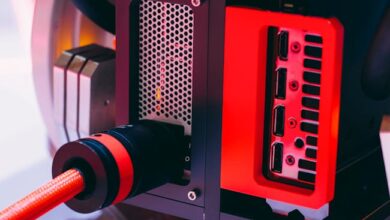
The core of this groundbreaking Nscale Microsoft AI infrastructure deal revolves around the deployment of advanced computing chips. These aren’t just any chips; they are the high-performance processors essential for training large language models, running intricate simulations, and powering the most demanding artificial intelligence applications imaginable.
Nscale’s strategy involves a significant investment in expanding its AI compute capacity, leveraging Microsoft’s robust cloud ecosystem and technical expertise. This collaboration is designed to create an unparalleled environment for AI development, offering developers and enterprises access to world-class resources.
Crucially, to support this expansive growth and ensure widespread accessibility, Nscale plans to deploy the chips over the next few years to three data centers in Europe and a fourth in the U.S. This strategic geographical spread underscores a commitment to both regional innovation and global reach in artificial intelligence capabilities.
The sheer scale of this AI infrastructure deal highlights the exponential growth in demand for specialized hardware. As AI permeates every sector, from healthcare to finance to manufacturing, the need for dedicated, high-performance computing resources becomes paramount. This partnership addresses that need head-on, creating a bedrock for future AI breakthroughs.
Strategic Deployment and Global AI Expansion
The decision by Nscale to strategically locate its new data centers across multiple continents is a testament to the global nature of AI development. The European data centers will serve a burgeoning market for AI innovation within the EU, providing localized compute power that can accelerate research, foster startups, and support established enterprises.
Similarly, the U.S. data center will further cement North America’s position as a leading hub for artificial intelligence, offering critical resources to one of the world’s most dynamic tech ecosystems. This dual-continent approach ensures broad access to cutting-edge AI infrastructure, reducing latency and enhancing data sovereignty for various users.
Deploying these advanced chips over the next few years signals a long-term vision rather than a short-term fix. Both Nscale and Microsoft are investing in a future where AI is not just a tool but a fundamental component of economic growth and societal progress. This phased deployment allows for continuous optimization and integration of the latest technological advancements.
This Nscale Microsoft partnership will enable a diverse range of sectors to scale their AI initiatives more effectively. From advanced scientific research requiring massive parallel processing to businesses looking to integrate sophisticated AI into their operations, the expanded infrastructure will act as a catalyst for digital transformation.
The Broader Impact on the AI Landscape
The implications of this massive AI infrastructure deal extend far beyond the immediate capacities of Nscale and Microsoft. Such large-scale investments in high-performance computing are critical accelerators for the entire artificial intelligence industry. They democratize access to powerful resources, which were once the exclusive domain of only the largest tech giants.
With more robust infrastructure available, researchers can tackle more ambitious problems, leading to breakthroughs in areas like drug discovery, climate modeling, and personalized education. Startups can innovate faster, bringing new AI-powered products and services to market without the prohibitive costs of building their own compute clusters from scratch.
Moreover, this deal reinforces the crucial role of cloud providers like Microsoft Azure in facilitating the AI revolution. By offering scalable, secure, and reliable infrastructure, cloud platforms become the backbone upon which complex AI models are trained and deployed, making advanced AI accessible to a wider audience.
This Nscale AI deal with Microsoft also highlights a growing trend towards specialized AI infrastructure, moving beyond general-purpose computing to environments optimized specifically for AI workloads. This specialization ensures maximum efficiency, performance, and sustainability, critical factors as AI consumption continues to surge globally.
Conclusion
The massive AI infrastructure deal between Nscale and Microsoft marks a pivotal moment in the ongoing evolution of artificial intelligence. By committing to the strategic deployment of advanced chips across multiple continents, both companies are not just building data centers; they are laying the groundwork for the next era of AI innovation.
This partnership promises to empower a new generation of AI developers, researchers, and enterprises, offering them the formidable computing power needed to turn visionary ideas into reality. As these new data centers come online over the next few years, we can anticipate a significant acceleration in AI capabilities, fostering a future where intelligent systems play an even more transformative role in our world.
The future of AI is bright, and collaborations like the Nscale Microsoft AI infrastructure partnership are the essential engines driving it forward. Stay tuned as this global expansion of AI compute power reshapes industries and unlocks unprecedented opportunities for progress.